

How not to “annoy” the examiner
First of all, it’s a bit scary meeting an examiner – I get it.
I still remember my exams… Even now, when I sometimes have to talk to them on the phone, I still sweat!
You will find, however, that most of these guys actually are friendly; they are just doing their job.
They have a vast wealth of information and keep our waters safe by seeing:
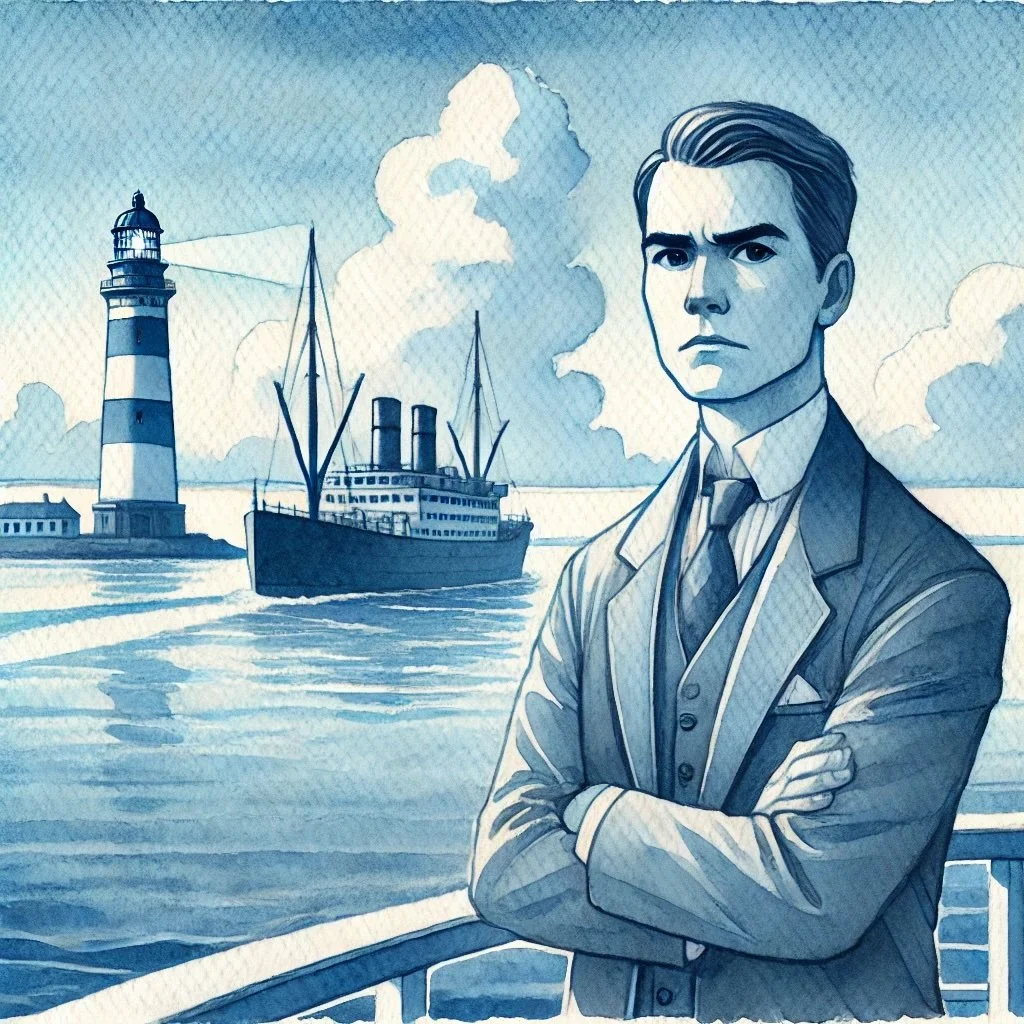
How well you know your stuff.
How you cope, bend or break under pressure.
Let’s face it, would you want THAT crew member in charge of a 70m boat (if they easily broke under the pressure and scrutiny of the examiner)?
No.
You’re not going to like this, but when they fail one of my students, I agree 99% of the time.
Remember, these guys will be doing up to four exams a day, so make sure yours is easy for them.
On that note, let’s discuss how to put the odds in your favour and keep the examiner happy!
Do what you can to impress the examiner
So obvious, but be on time!
Online exams – you must be logged online 10 minutes before your designated start time.
Always (always, always) read your NOE email and all the attachments/information sent - eg Code of Conduct, Microsoft Teams Guidance, Plotting Sheet.
Know your rules, lights buoyage!
Don’t waste their time. I think that’s pretty self-explanatory, but put yourself in their shoes. If this is their fourth and last exam of the day and they’re presented with an applicant that doesn’t know their sh*t, …the odds are NOT in your favour.
Attire
You MUST be in a formal suit. Read why your exam preparation should include a suit if you want more information.
First impressions matter! Wear a watch, get a fresh haircut, show up clean-shaven or with a properly groomed beard. Look the part!
Polite greeting
Specifically, that’s “Good morning/afternoon, sir.”
NOT “how are you?” It’s not your business and you’re not there for chit-chat.
(Our mock examiner, Captain Jackson, used to love telling off our students for that)
Listen to the question
Listen to the question and don’t waste their time answering something that hasn’t been asked. If he asks what the sextant errors are, list the sextant errors. DON’T go on and explain each section unless asked.
Usually, the first question is about the boat you work on: it is crucial.
At a minimum, you report the gross tonnage, length overall, flag, classification society, private or commercial - remember you are talking to a marine surveyor.
NOT: “It’s 55m long with 12 crew. I spend summers in the Med, winters in the Caribbean, and I’m the bosun.”
What– the f*ck –does where it is or your position have to do with the vessel?
Tell them about the vessel you work on, not about you.
(If you do get flustered or didn’t hear a question correctly, it’s okay to ask the question to be repeated or asked differently.)
Know the most recent M notices
Self-explanatory.
Weather forecast
Specifically for the United Kingdom on and around the day of your exam. Brits love talking about the weather.
Don’t drink gallons of water during the exam
Needing to go to the toilet? Not their problem.
What they’ll be thinking is: “how is this person going to sit in a bridge for 4 hours?”
Note: If doing a proctored exam, you can’t leave your desk!
Have fast internet
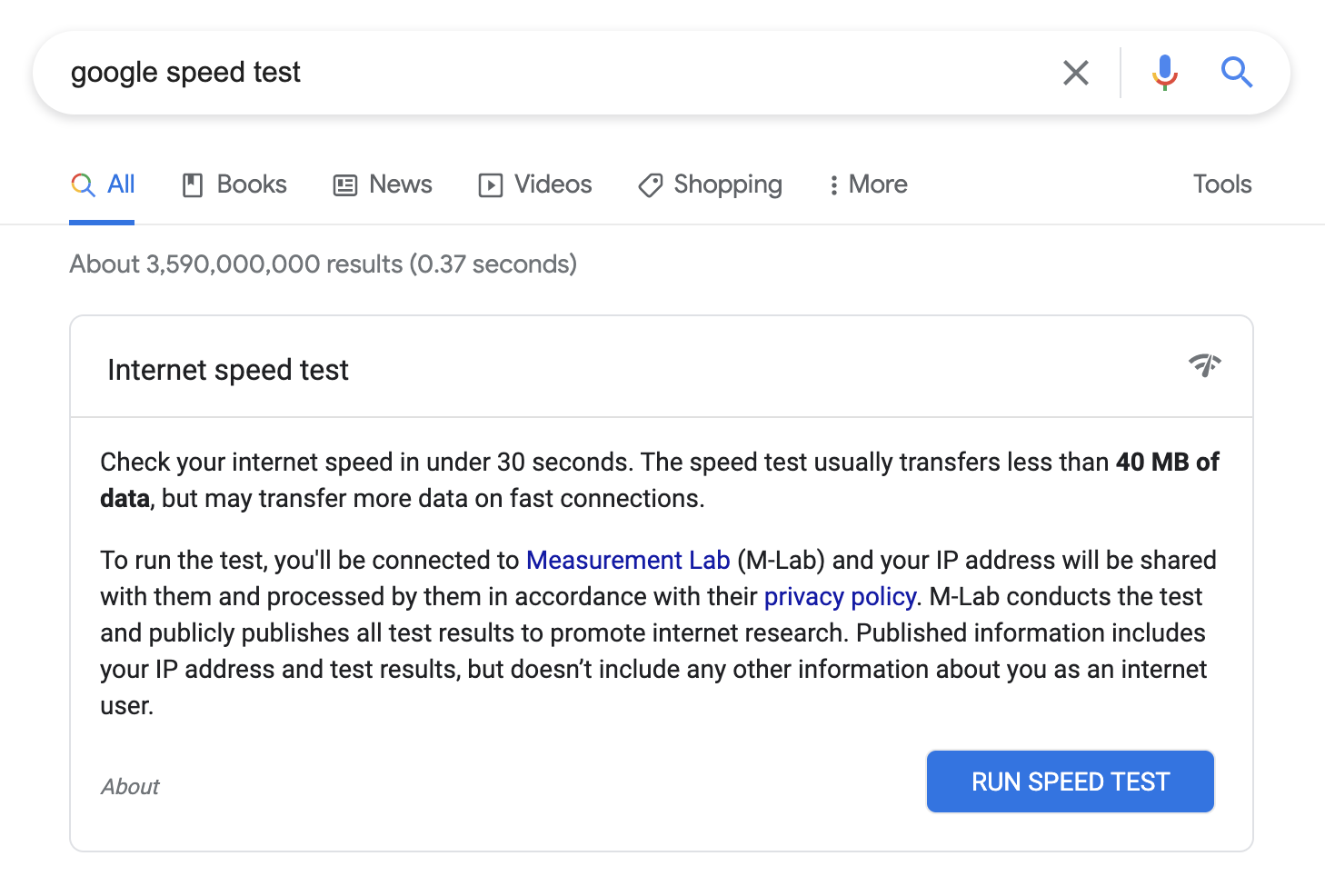
Above 10Mbps is preferable.
Do a speed test! You can literally Google “speed test” and get one in a popup from that Google Search.
Downloaded the Microsoft Teams Application ahead of the examination
Make sure to select “join on the Teams app”
You cannot use the web version because it doesn’t have the full functionality eg screen sharing.
(Using the web browser to connect is only used as a last resort and at the examiner’s discretion - we know certain examiners that won’t bother, so don’t rely on this)

Technology
You must have a desktop, laptop or tablet to take the exam. I personally would not use anything over 3 years old.
You need to be able to show the room so the examiner can see it clearly. So, if you have a desktop, you will need a removable camera.
Phones are NOT permitted.
Make sure you are using Google Chrome.
Have tested video and audio settings.
Know how to start and stop screen sharing.
No headphones
Make sure your room is suitable for an online exam
Clear your desk of everything except for stationary.
exam stationery:
radar plotting sheets, ruler, calculator, black pen, pencil and eraser/rubber
Reduce the noise level / have very low ambient noise.
Keep all possible doors shut.
Make sure there’s nothing on the walls.
Your microphone AND camera must remain on at all times and you should be looking straight at the camera with hand gestures visible.
Basically, don’t look away from the camera as it looks like you are cheating!
Make sure you have a comfortable chair that doesn’t squeak or otherwise distract from the exam.
Allow yourself a glass (one) of drinking water in case you need it, but not a 2 liter bottle!
Remember, no toilet breaks.
NB – You cannot do this exam in a public place.
In conclusion, facing an examiner can be intimidating, but thorough preparation and professionalism go a long way. Be punctual, dress appropriately, and respect the examiner's time.
